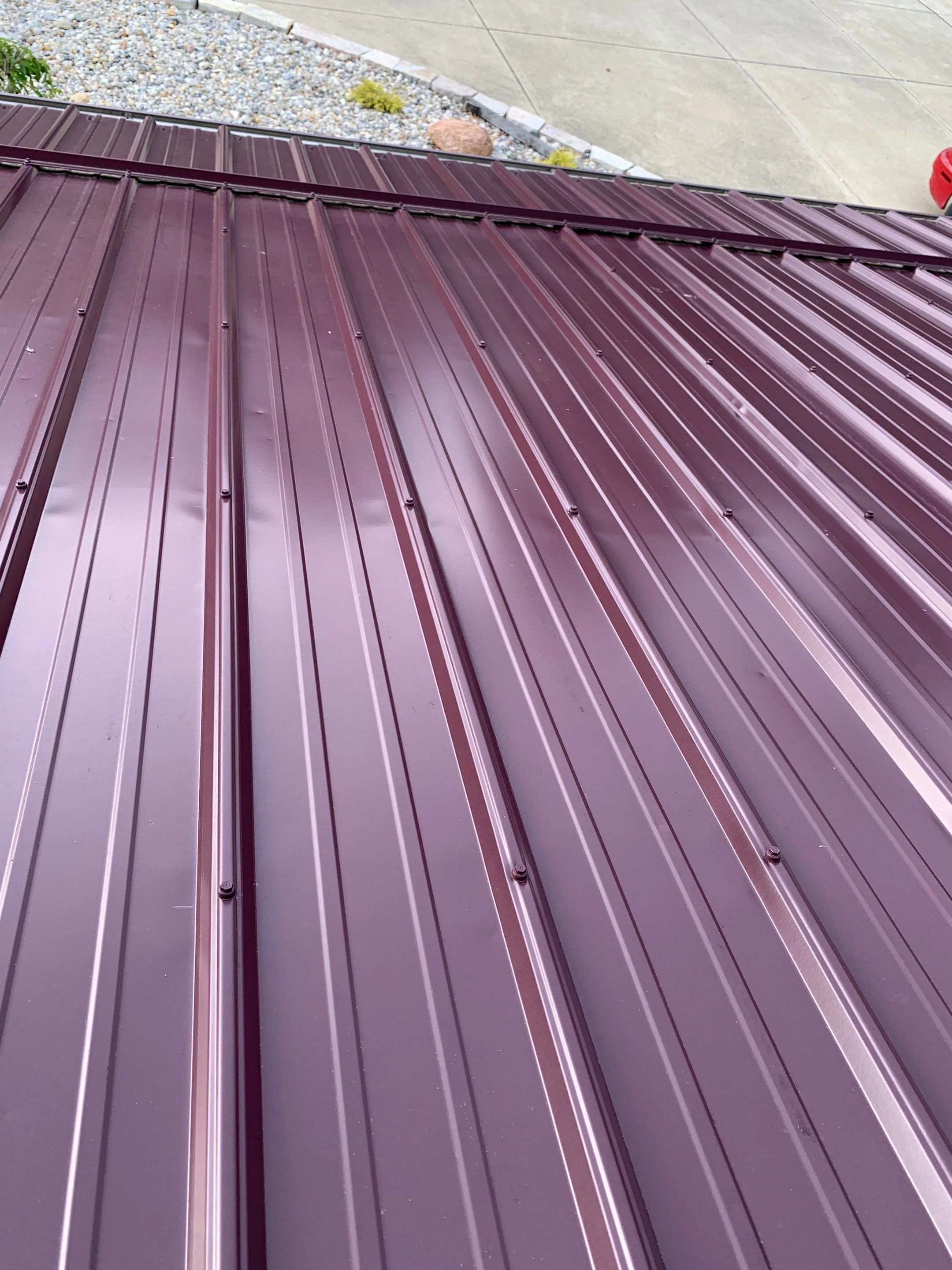
The Types of Metal Roof Warranties
Metal roofs generally come with a couple of types of warranty, and understanding them helps a Thorntown homeowner. Here are the main ones.
The Manufacturer's Material Warranty
The manufacturer's warranty covers the materials, the panels and finish, against defects, standing behind the product the manufacturer made. This material warranty protects against manufacturing defects in the roofing itself. It covers the product. It is the manufacturer's guarantee. It addresses material defects. It backs the materials.
The Contractor's Workmanship Warranty
The contractor's workmanship warranty covers the installation, the labor and how the roof was put on, standing behind the contractor's work. This warranty protects against installation issues separate from the materials. It covers the installation. It is the contractor's guarantee. It addresses workmanship. It backs the labor.
Two Different Things
The two warranties cover two different things, the materials and the installation, so a roof is protected on both fronts, the product by the manufacturer and the labor by the contractor. Both aspects are covered. They are distinct. They protect different things. Together they cover the roof. They complement each other.
The Finish Warranty
The finish often has its own warranty, sometimes part of or alongside the material warranty, covering the finish's performance like fade and chalk resistance. This finish coverage is a specific aspect of the material protection. It covers the finish. It is a particular warranty. It addresses finish performance. It is part of the material side.
The Types, in Short
Metal roofs generally come with a manufacturer's warranty covering the materials against defects and a contractor's warranty covering the workmanship of the installation, two different things, with the finish often having its own warranty covering its performance. Together they protect the roof.
It also helps Thorntown homeowners to understand the close relationship between warranties and the choice of contractor, because the contractor actually affects both types of coverage, not just the workmanship warranty they provide directly. The direct effect is obvious, the workmanship warranty is provided by the contractor who installed the roof, so its value depends entirely on that contractor standing behind their work and being established and available enough to honor it over time, which is why a solid workmanship warranty is both a sign of a contractor's confidence in their own work and only as good as the contractor behind it. A fly-by-night operation offering a long workmanship warranty is worth little if they will not be around to honor it. But there is also a less obvious effect on the material warranty, because some manufacturers' material warranties can depend on the roof having been installed correctly, which means that improper installation could potentially affect or compromise the manufacturer's coverage, while a quality contractor's correct installation helps preserve it. So choosing a reputable, experienced contractor matters for the warranty protection on both fronts, the workmanship warranty they provide and the material warranty they help preserve through proper installation. This is why the warranties a contractor offers and stands behind are reasonably considered part of evaluating them, alongside their experience, reputation, and the quality of their work, and it is worth a homeowner asking a prospective contractor directly about both the material and workmanship warranties, what each covers and their terms, so they understand their protection fully before committing. A homeowner who chooses a quality contractor is more likely to end up with good warranty coverage on both the product and the installation.
One point worth making clear for Thorntown homeowners is that a metal roof generally comes with not one but two distinct types of warranty, which cover two different aspects of the roof, and understanding the distinction helps a homeowner know exactly what protection they have. The first is the manufacturer's warranty on the materials, which covers the roofing materials themselves, the panels and often the finish, against manufacturing defects, standing behind the quality of the product the manufacturer made. These material warranties on metal roofing often run for a long period, which reflects both metal's genuine durability and the manufacturer's confidence in a product designed to last for decades. The finish frequently has its own warranty within or alongside the material warranty, covering finish performance such as resistance to excessive fading or chalking, with premium finishes typically carrying strong coverage. The second type is the contractor's workmanship warranty, which covers something entirely different, the installation, meaning the labor and how the roof was actually put on, standing behind the contractor's own work against installation issues. This second warranty matters a great deal, because even the best materials, fully backed by a strong manufacturer's warranty, will not perform if they are installed poorly, and installation problems are the contractor's responsibility rather than the manufacturer's. So a homeowner is best protected when they have both, a solid material warranty from the manufacturer covering the product, and a solid workmanship warranty from the contractor covering the installation. The practical takeaway is to look for both kinds of coverage, to understand what each one covers and its terms, and to recognize that they protect the roof on two different fronts.
It also helps Thorntown homeowners to understand the close relationship between warranties and the choice of contractor, because the contractor actually affects both types of coverage, not just the workmanship warranty they provide directly. The direct effect is obvious, the workmanship warranty is provided by the contractor who installed the roof, so its value depends entirely on that contractor standing behind their work and being established and available enough to honor it over time, which is why a solid workmanship warranty is both a sign of a contractor's confidence in their own work and only as good as the contractor behind it. A fly-by-night operation offering a long workmanship warranty is worth little if they will not be around to honor it. But there is also a less obvious effect on the material warranty, because some manufacturers' material warranties can depend on the roof having been installed correctly, which means that improper installation could potentially affect or compromise the manufacturer's coverage, while a quality contractor's correct installation helps preserve it. So choosing a reputable, experienced contractor matters for the warranty protection on both fronts, the workmanship warranty they provide and the material warranty they help preserve through proper installation. This is why the warranties a contractor offers and stands behind are reasonably considered part of evaluating them, alongside their experience, reputation, and the quality of their work, and it is worth a homeowner asking a prospective contractor directly about both the material and workmanship warranties, what each covers and their terms, so they understand their protection fully before committing. A homeowner who chooses a quality contractor is more likely to end up with good warranty coverage on both the product and the installation.
Get a Roof With Good Warranties
Thorntown Metal Roofing installs metal roofing with quality material warranties and stands behind its workmanship across Thorntown and Boone County. Call {phone} for a free consultation on a metal roof with solid warranty coverage.